Choosing strategy board games for a family table means matching the session to the group. Do you want a quick visual race, a hands-on ring-stacking challenge, or a block puzzle with several difficulty steps? The four choices here emphasize active pattern solving rather than long, quiet planning. Start with the play format, then use the price comparison to separate the two identically named Giant entries.
Quick take
- Match Madness Board Game is the fast visual-recognition race.
- Giant Color Matching Challenge Game is the kid-oriented ring-stacking pick; its two entries share the same product wording, so price is the tie-breaker.
- 3.0 Board Game is the block-puzzle choice for shoppers who want a broader progression across children and adults.
- If you specifically want cooperative, euro-style, or heavy play, note that the descriptions emphasize racing, matching, stacking, and action.
Listed-price comparison
Prices span $45.99 to $70.99, a $25 spread. The Giant entries differ by $0.64; Match Madness and 3.0 mark the low and high ends. The bars show relative position within this four-price range, not game quality.
| Product | Listed price | Price bar |
|---|---|---|
| Giant Color Matching Challenge Game | $63.70 | |
| Giant Color Matching Challenge Game | $64.34 | |
| Match Madness Board Game | $45.99 | |
| 3.0 Board Game | $70.99 |
Decision matrix
- Fast visual race: Match Madness Board Game. Its play format centers on visual recognition, pattern cards, and racing to arrange five cubes.
- Hands-on ring stacking: Giant Color Matching Challenge Game. The title, plastic material, mixed-color format, and kid-oriented wording point toward a tactile activity.
- Structured puzzle progression: 3.0 Board Game. Its description specifies 100 unique puzzles and four difficulty levels, making it a fit when challenge variety matters.
- Cooperative, euro, or heavy play: The concrete format language here points to racing, matching, stacking, and pattern solving. Choose from this group when that active style fits better than slower strategic planning.
Product notes
Giant Color Matching Challenge Game - USD 63.70
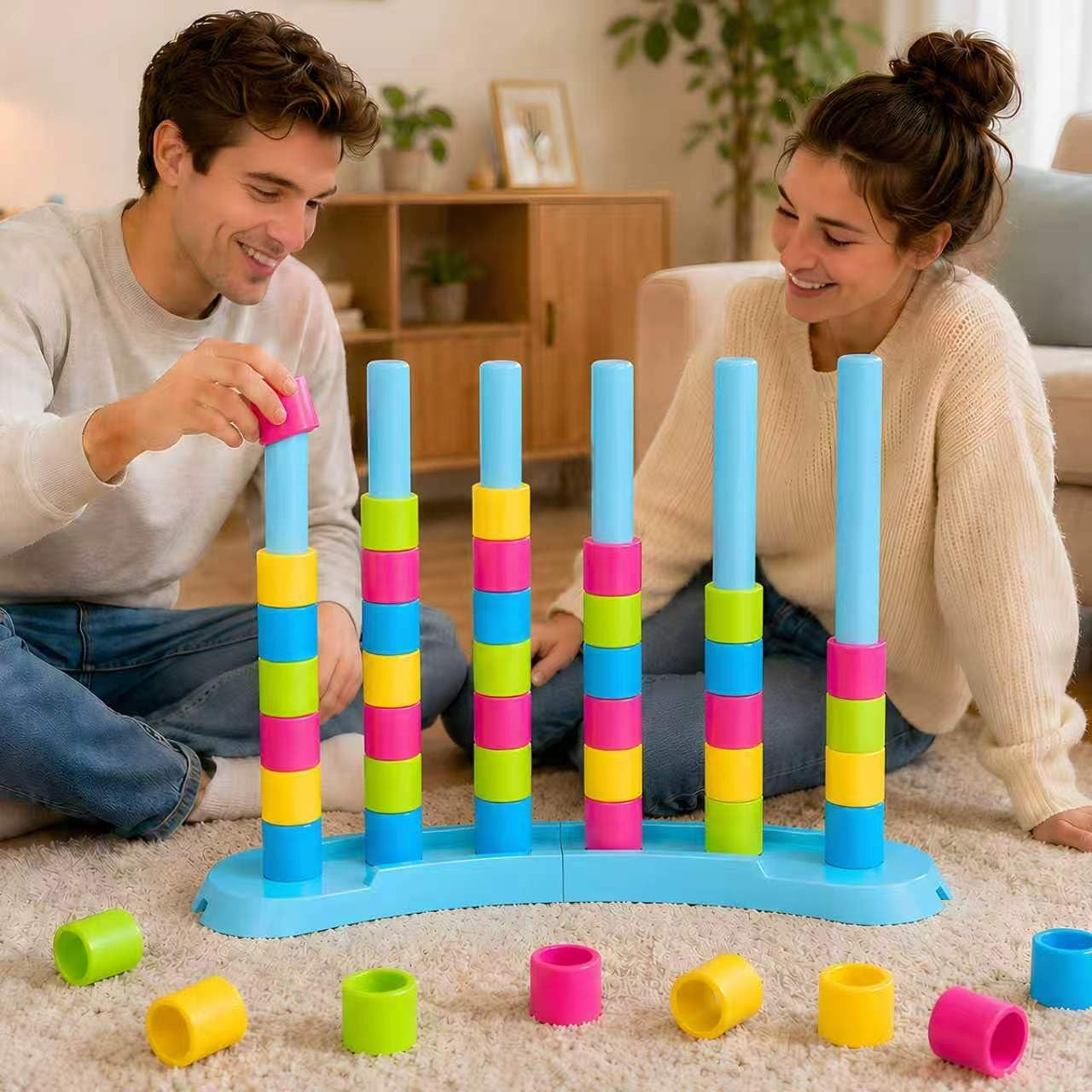
The $63.70 Giant Color Matching Challenge Game suits a kid-oriented activity built around fast pattern matching and ring stacking. Its mixed-color, 1-pack format and 22 × 16.5 in dimensions give the choice a clearly defined physical setup, and the minimum age is 36 months. Choose it when a tactile family activity matters more than a card-led race. The limitation is the price: it is $17.71 above Match Madness and $0.64 below the other Giant entry. Since the two Giant entries share the same title and product wording, the lower-priced one is the simpler pick.
Giant Color Matching Challenge Game - USD 64.34
At $64.34, the second Giant Color Matching Challenge Game is aimed at the same hands-on use: its kid-oriented wording, mixed-color design, plastic material, and fast pattern-matching title make it a tactile family-and-friend activity. That is the reason to choose it when ring stacking is the format you want. The limitation is direct comparison with the $63.70 Giant entry: the titles and product wording match, yet this entry is $0.64 higher. No distinct play feature separates the descriptions, so the higher-priced entry is harder to justify when both are under consideration.
Match Madness Board Game
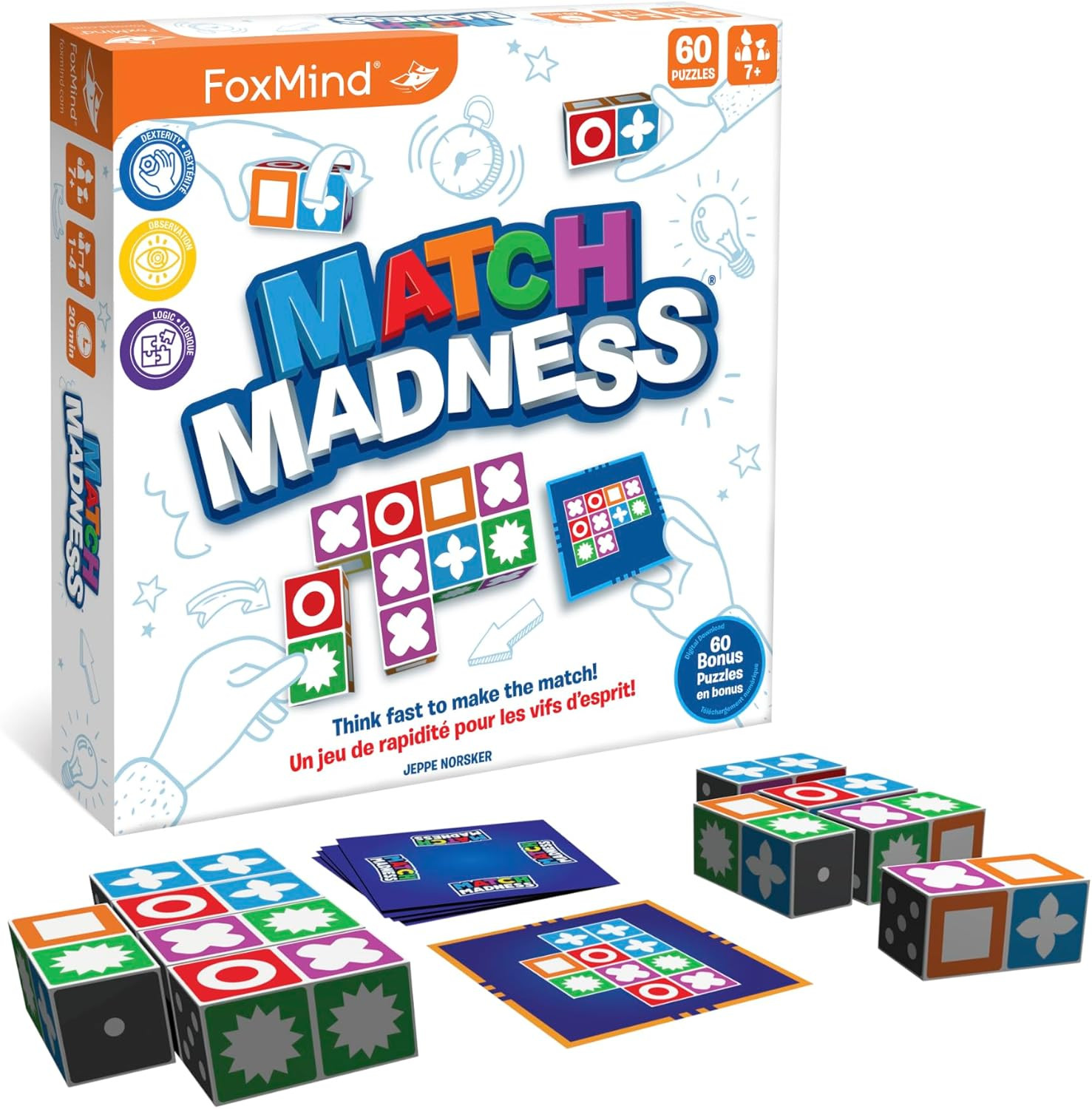
Match Madness Board Game at $45.99 is the lowest-priced choice and a clear fit for fast visual recognition. Players race to arrange five cubes to match a pattern card, with Quick-Play and Total Madness modes, five difficulty levels, and play for up to four people. The 7-years-and-up guidance supports mixed-age family rounds. Its limitation is the competitive structure: the first player to succeed takes the card, so the experience centers on speed and score accumulation rather than shared puzzle solving. The 1.63-pound package is another concrete part of its format.
3.0 Board Game
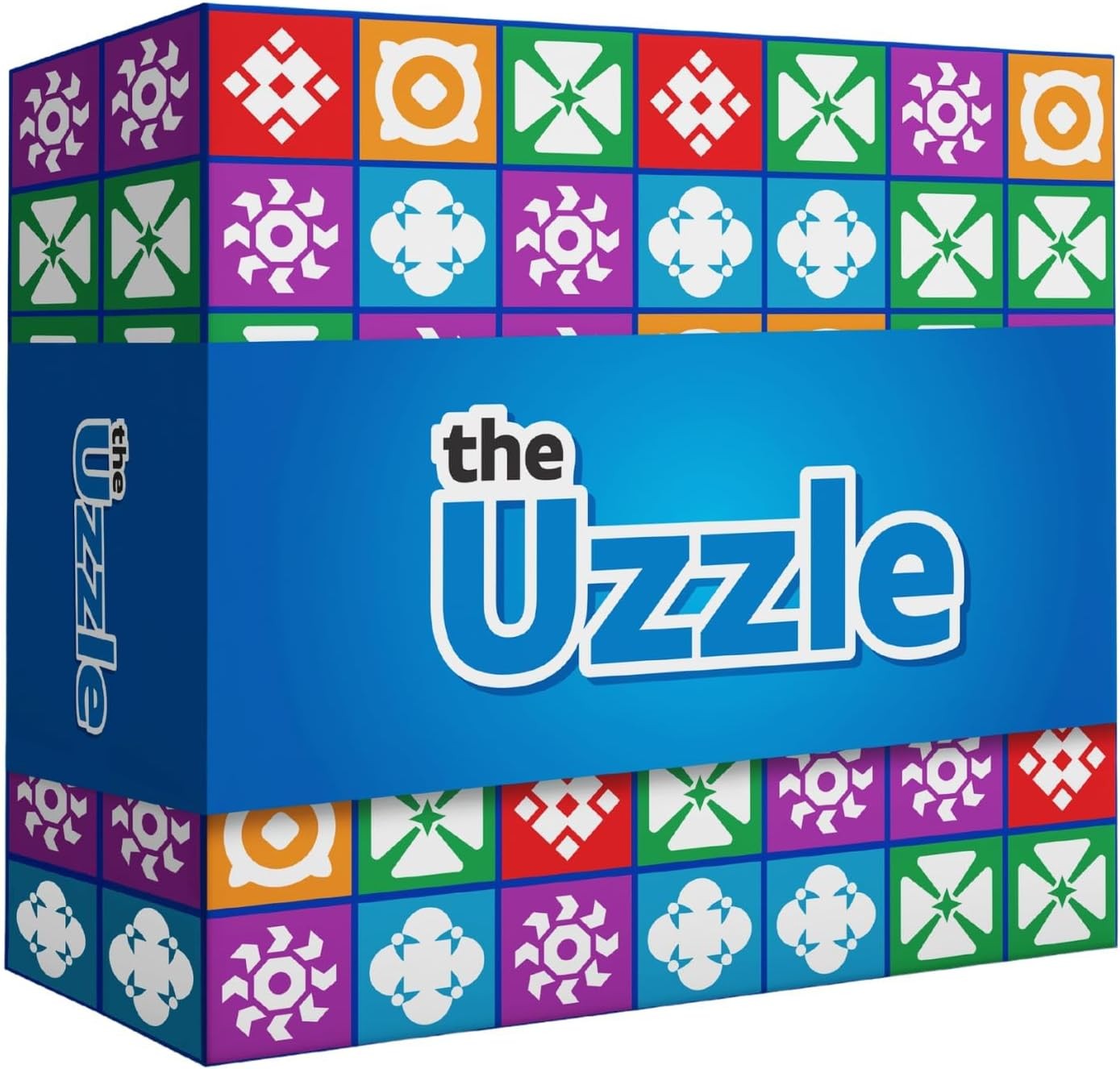
3.0 Board Game at $70.99 fits shoppers who want a defined puzzle progression. It specifies bigger blocks, 100 unique puzzles, and four difficulty levels, with levels 1-2 for young kids and levels 3-4 described as extremely difficult for adults. Play can be individual or include up to four players, while the race theme uses flipping, spinning, and merging five patterned blocks. The limitation is the $25 gap above Match Madness, plus the action-led race format may not suit someone seeking slower planning. Choose it for variety in puzzle challenge, not for a quiet session.
Final recommendation by use case
- Fast competitive matching: Match Madness Board Game, because its title and description center on visual recognition, pattern cards, and quick races.
- Kid-oriented ring stacking: Giant Color Matching Challenge Game; choose the lower-priced entry when the two identical product descriptions are side by side.
- Puzzle progression across ages: 3.0 Board Game, whose description focuses on block puzzles, multiple levels, and play for children and adults.
- Active family rounds: Pick the format that matches the group's preference for matching, stacking, or racing.
The practical tie-breaker is simple: format first, then compare the prices in the table. Match Madness is the visual race, 3.0 is the broader block-puzzle progression, and the Giant pair should be treated as the same format with price-not assumed feature differences-deciding between them.