Shopping for RC boats and aircraft gets complicated when two vintage kits appeal to different kinds of builders. The Proctor Nieuport 28 C-1 is a large, traditional wood project with unusually clear scale and engine details. The NAVY Strikemaster focuses attention on its four-channel radio-control format. The right choice depends on whether you want a documented scale build or a kit defined by its control setup.
Quick verdict
Choose the Vintage Proctor Nieuport 28 C-1 RC Airplane Kit for a scale-focused hobby project with a wood construction, 1:4 scale, 80-inch wingspan, and a stated engine recommendation. Choose the Vintage NAVY Strikemaster 4 Channel Radio Control Airplane Kit if the Strikemaster subject and four-channel format are the details you care about most. The listed price spread is $105, with the Nieuport at the lower end.
At a glance
| Product | Listed price | Defining details | Main consideration |
|---|---|---|---|
| Proctor Nieuport 28 C-1 RC Airplane Kit | $595 | 1:4 scale, wood, 80-inch wingspan, hobby grade | Unassembled kit; 1.60-and-larger engine recommendation |
| NAVY Strikemaster 4 Channel Radio Control Airplane Kit | $700 | Four-channel radio control; Strikemaster aircraft model | Higher listed price |
Where each one wins
Proctor Nieuport 28 C-1
The Nieuport wins for shoppers who want a traditional-build aircraft with clearly stated project dimensions and materials. Its 1:4 scale, wood construction, 80-inch wingspan, and hobby-grade designation give the build a defined direction. The listed $105 price gap also makes it the lower-cost choice in this comparison.
NAVY Strikemaster
The Strikemaster wins when the aircraft's four-channel radio-control identity is the deciding feature. Its title directly presents it as a four-channel kit and names the Strikemaster subject, making the choice straightforward for someone drawn to that particular model. It is also described as a detailed aircraft replica for collectors or hobbyists.
Product notes
Vintage Proctor Nieuport 28 C-1 RC Airplane Kit
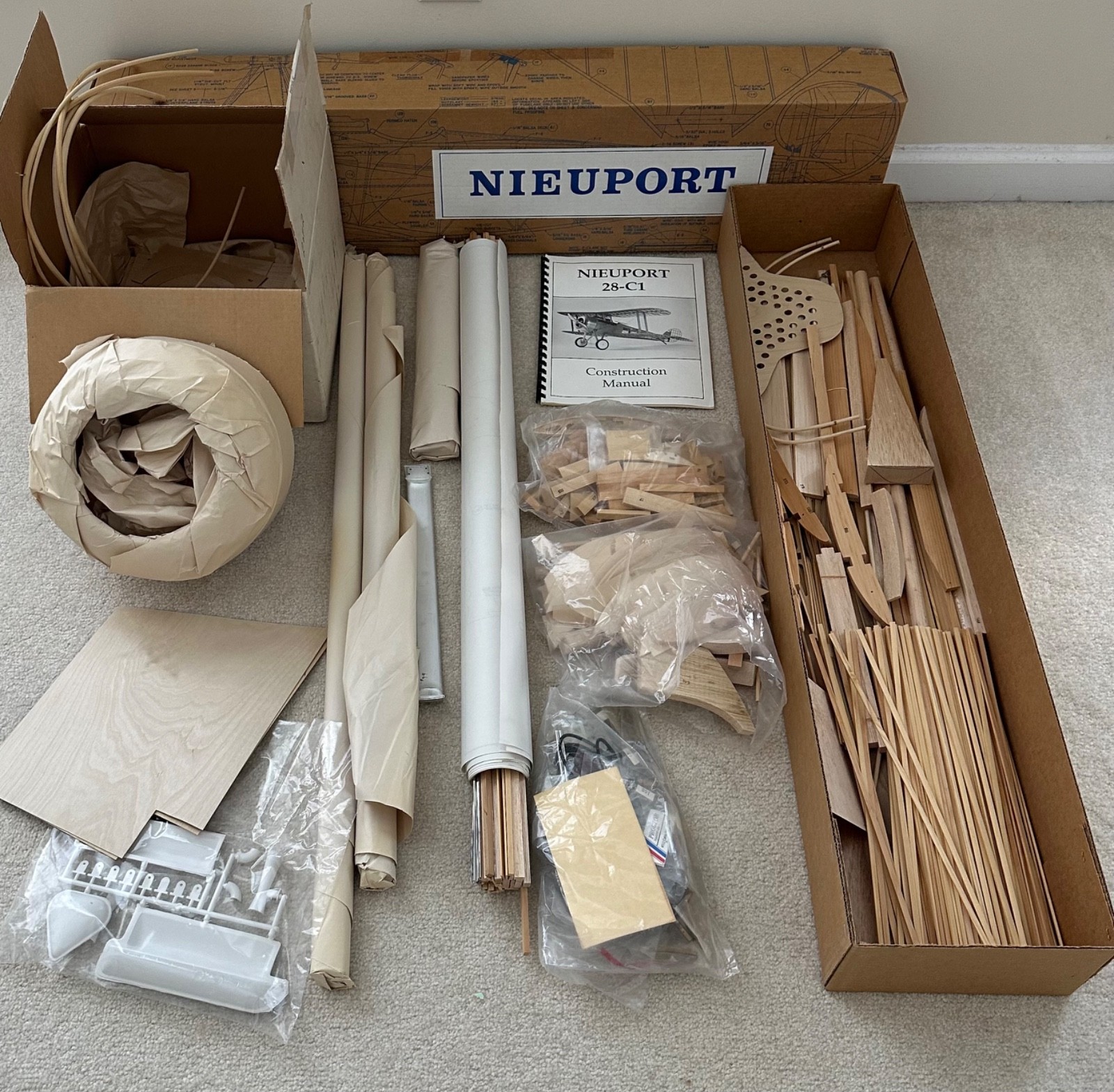
The Proctor Nieuport 28 C-1 is the more explicitly documented build for a scale-minded hobbyist. Its description identifies a 1/4-scale wood aircraft with an 80-inch wingspan, while the attributes classify it as hobby grade and unassembled. Those details give you a clear sense of the project's traditional character before you commit. The limitation is equally clear: this is not a ready-to-operate format. It requires assembly, and the description lists a recommended 1.60-and-larger engine. Pick it when the Proctor Nieuport 28 C-1 name, wood construction, and scale presentation are central to the appeal; pass on it if you want to avoid a substantial build project.
Vintage NAVY Strikemaster 4 Channel Radio Control Airplane Kit
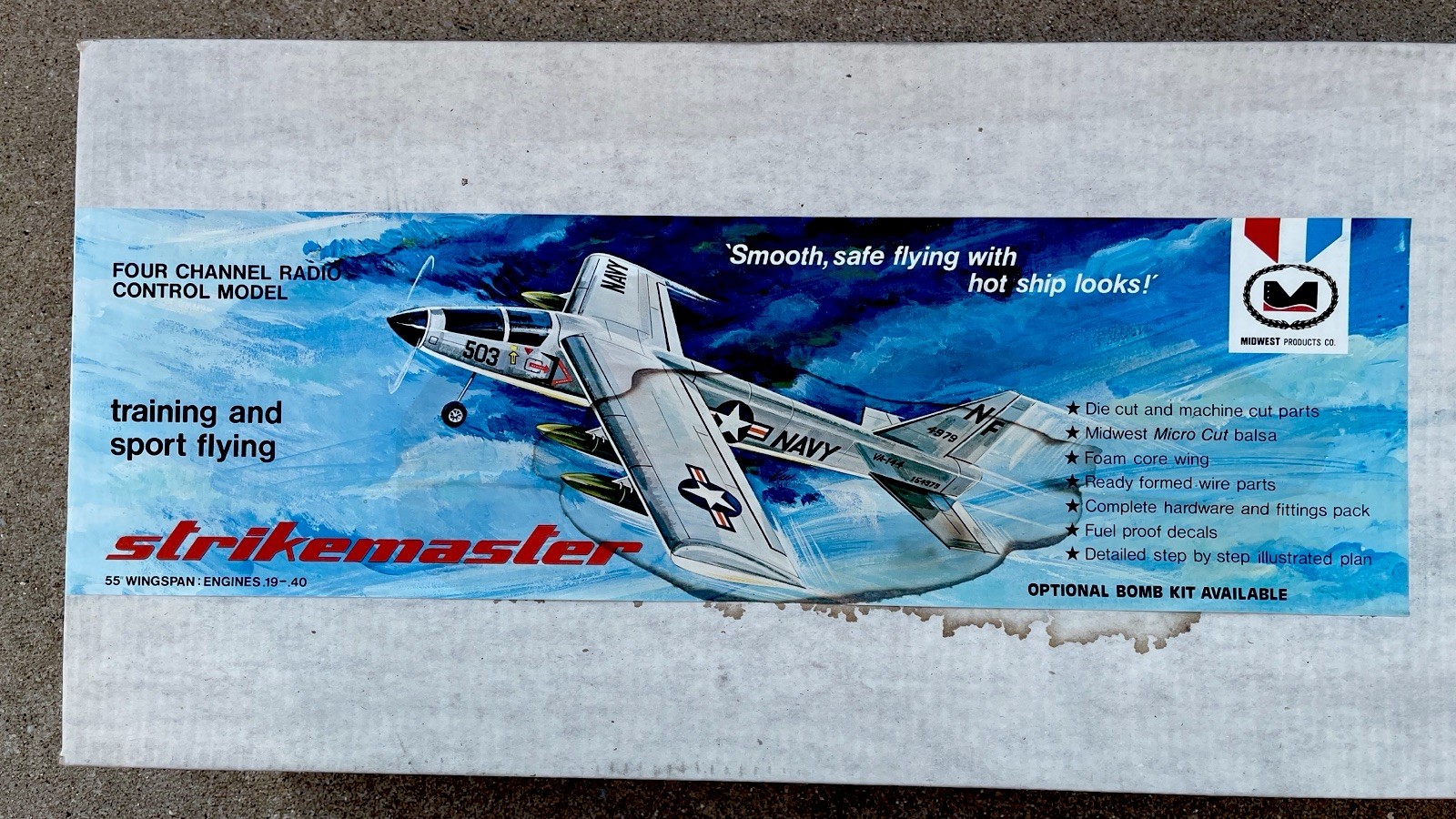
The NAVY Strikemaster is the direct fit for a shopper searching for a four-channel radio-control aircraft kit with a specific military-aircraft subject. Its title supplies both the control format and the Strikemaster name, while the description frames it as a detailed replica for aviation enthusiasts, collectors, and hobbyists. That focus makes it easier to identify the kind of model you are choosing. The concrete limitation is the $700 listed price, which is $105 above the Proctor Nieuport. Select it when the four-channel wording and NAVY Strikemaster design matter more than minimizing the spend. Its appeal is about the named aircraft and control format, not a documented wood or scale specification.
Final choice by use case
- Choose the Proctor Nieuport 28 C-1 for a 1:4-scale wood build, a traditional unassembled project, or the lower listed price.
- Choose the NAVY Strikemaster for a four-channel kit centered on that aircraft design and its radio-control identity.
- If engine planning matters, the Nieuport is the clearer fit because its description includes a 1.60-and-larger recommendation.
- If your decision starts with the aircraft name, the Strikemaster offers the more direct match.
Both are vintage aircraft kits, but they answer different hobby priorities: defined scale and construction detail versus a named four-channel model.