Choosing model railroad track & layout comes down to a practical fork: do you want a named, packaged plan set, or flexible pieces you can shape around your own layout? KATO's HO Gauge Unitrack Master Plan Set 3-103 and Atlas 168 Code 100 Super-Flex Nickel Silver track point to those different starting styles. Both are HO choices, so the useful decision is format, shaping freedom, and price-not scale.
Quick verdict
Choose KATO when the phrase "Unitrack Master Plan Set 3-103" matches the way you want to begin. Choose Atlas when the ability to use flexible pieces as straight or curved track matters more. Atlas is listed at $158 and KATO at $223, a $65 spread. That makes Atlas the lower-cost route into flexible track, while KATO's appeal is the named set format.
Comparison at a glance
| Choice | Listed price | Defining format |
|---|---|---|
| KATO Unitrack Master Plan Set 3-103 | $223 | Named master plan track set |
| Atlas 168 Code 100 Super-Flex Track | $158 | Flexible nickel-silver track pieces |
Where each choice wins
KATO fits a packaged start
The KATO choice is a good match when a specific model number is useful for organizing the beginning of a layout. Its "Master Plan Set 3-103" name gives the purchase a clear identity, while the Japan origin and multicolor detail provide additional ways to identify the set. Choose KATO when you want the starting point to be a named set rather than a collection of bendable track pieces.
Atlas wins on shaping freedom
Atlas has the clearer case when the track route is still being shaped. The pieces can be used straight or curved, bend to the side, and are straight in their natural state. Nickel silver rails and black ties that resemble wood further define the track's appearance. Atlas is the more direct fit for a layout builder who wants to work around changing curves instead of beginning with a named plan-set format.
Product notes
KATO Unitrack Master Plan Set 3-103
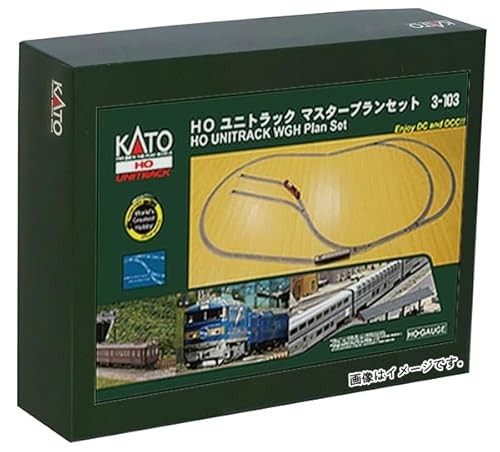
For a shopper who wants a defined starting package, the KATO set has a clear reason to choose it: its name combines "Unitrack," "Master Plan Set," and the specific 3-103 model number. That makes the set identity easy to carry into a layout plan or parts list. The price is the main practical limitation beside Atlas: KATO is the higher-priced choice in this comparison. Its age-level designation of 17 Years & Up is another concrete boundary, especially for households looking for an item labeled for younger users. The multicolor and Japan-origin details identify the set, but the central appeal remains its named plan-set starting point.
Atlas 168 Code 100 Super-Flex Track
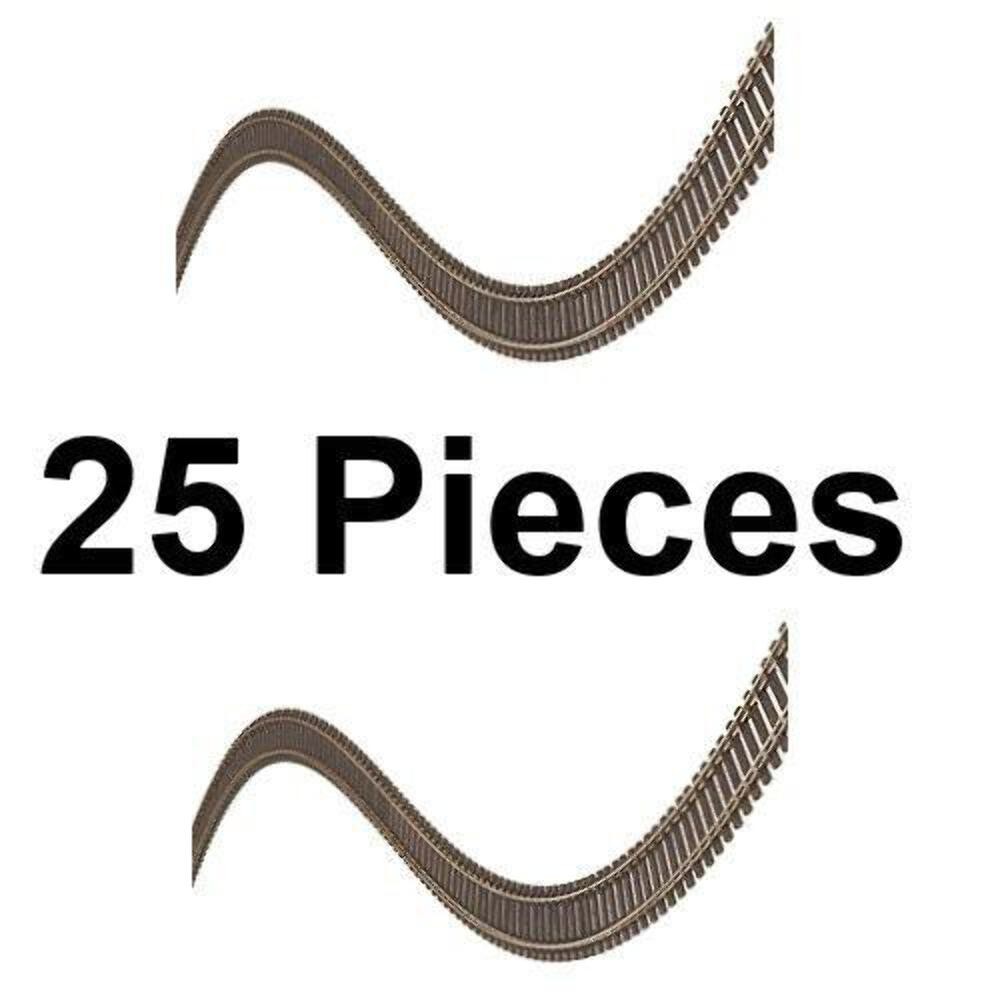
Atlas earns its place for layout builders who want track pieces that can run straight or curve. The pieces are straight in their natural state, yet can bend to the side, and the rails are nickel silver with black ties designed to resemble wood. That combination is the reason to choose Atlas over a plan-set format. The limitation is equally clear: Atlas is presented as a box of flexible track pieces, not as a named master plan set with a model number like KATO's 3-103. If your priority is a guided set identity, that format may feel less direct. The Code 100 designation identifies the track, but the number alone does not establish a performance advantage.
Final choice by use case
- Choose KATO if you want the named "Unitrack Master Plan Set 3-103" format and model number to organize your layout start. The $223 listed price makes that a different spend from Atlas.
- Choose Atlas if your priority is flexible track that can be used straight or curved, with nickel silver rails and black ties resembling wood. Its $158 listed price is the lower of the two, while the format is track pieces rather than a named plan set.
- If you are undecided, choose based on how you want to build: KATO for a defined plan-set identity, or Atlas for pieces that can be shaped around the route.