Choosing between board games puzzles often means deciding whether the table needs a quick, hands-on challenge or a broader game for multiple players. Here, the Color Matching Challenge Game centers on arranging colored blocks to match challenge cards, while Fossil takes a fossil theme and card-based scoring approach. The key practical split is solo-or-pair play versus a game designed for at least two players.
Quick verdict
Pick the Color Matching Challenge Game when a new game for a kid and a one-player or two-player activity are the priorities. Its pattern-based stacking format is geared toward sequencing, planning, and fast decisions. Pick Fossil when you want a fossil-themed board game for a group of two or more and prefer the lower listed price. The listed-price spread is $10.99, so the choice is also about how much you want to spend on the format that fits your table.
At-a-glance comparison
| Detail | Color Matching Challenge Game | Fossil Puzzle Board Game |
|---|---|---|
| Listed price | USD 20.99 | USD 10.00 |
| Condition | New | Used |
| Player format | 1-2 players | Minimum 2 players |
| Main play idea | Stack color blocks to recreate card patterns | Collect and organize cards to score points |
| Theme and presentation | Multicolored color-stacking puzzle | Fossil-themed board game |
| Notable designation | Strategy genre | Game Of The Year 1999 award |
Where each game wins
Color Matching Challenge Game wins for focused puzzle sessions. Selecting a pattern and moving one color block at a time creates a direct logic challenge, with an emphasis on order and attention. The one-player option makes it a natural fit for a child who wants an activity without waiting for another participant. Its new condition also suits shoppers looking specifically for a newly packaged game.
Fossil wins for a shared tabletop game with a theme. The fossil setting, card collection, and point-scoring structure give the game a different kind of goal from matching color patterns. Its minimum of two players makes it better aligned with family game time or a game night where someone else will be at the table. The Game Of The Year 1999 award is an additional point of interest for shoppers who enjoy older board-game titles.
Product notes
Color Matching Challenge Game
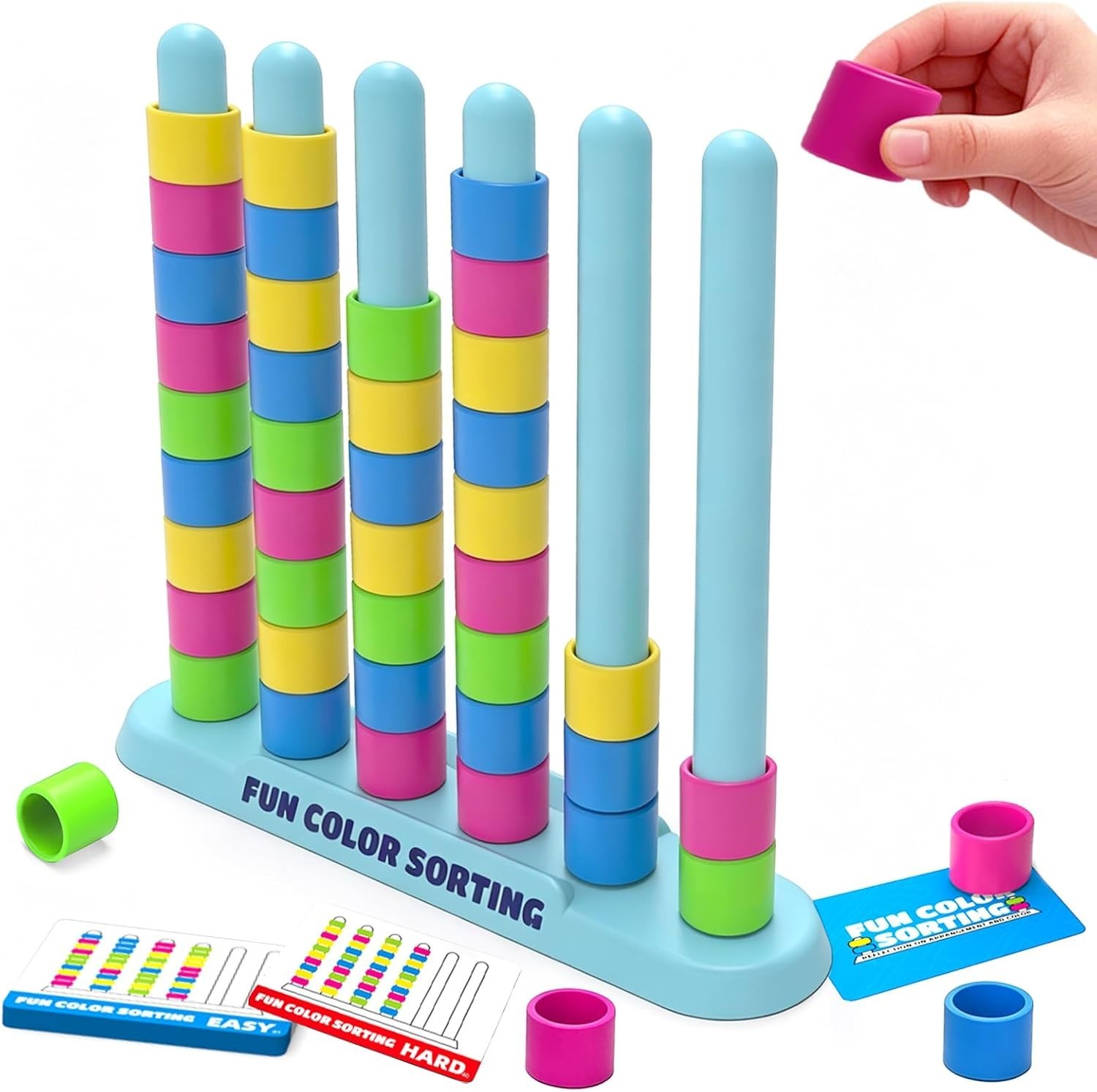
The Color Matching Challenge Game is the stronger choice for a contained color-stacking puzzle that can work with one participant or two. Challenge cards set the target pattern, and the play centers on moving colored blocks onto a matching color or an empty post. That gives each round a clear objective while keeping planning and sequencing at the center of play. The kid age designation and multicolored format make the game especially suited to a younger player who enjoys tactile tabletop challenges. Its limitation is the player range: with room for only one or two players, it is less suited to a larger group gathered around the table.
Fossil Puzzle Board Game
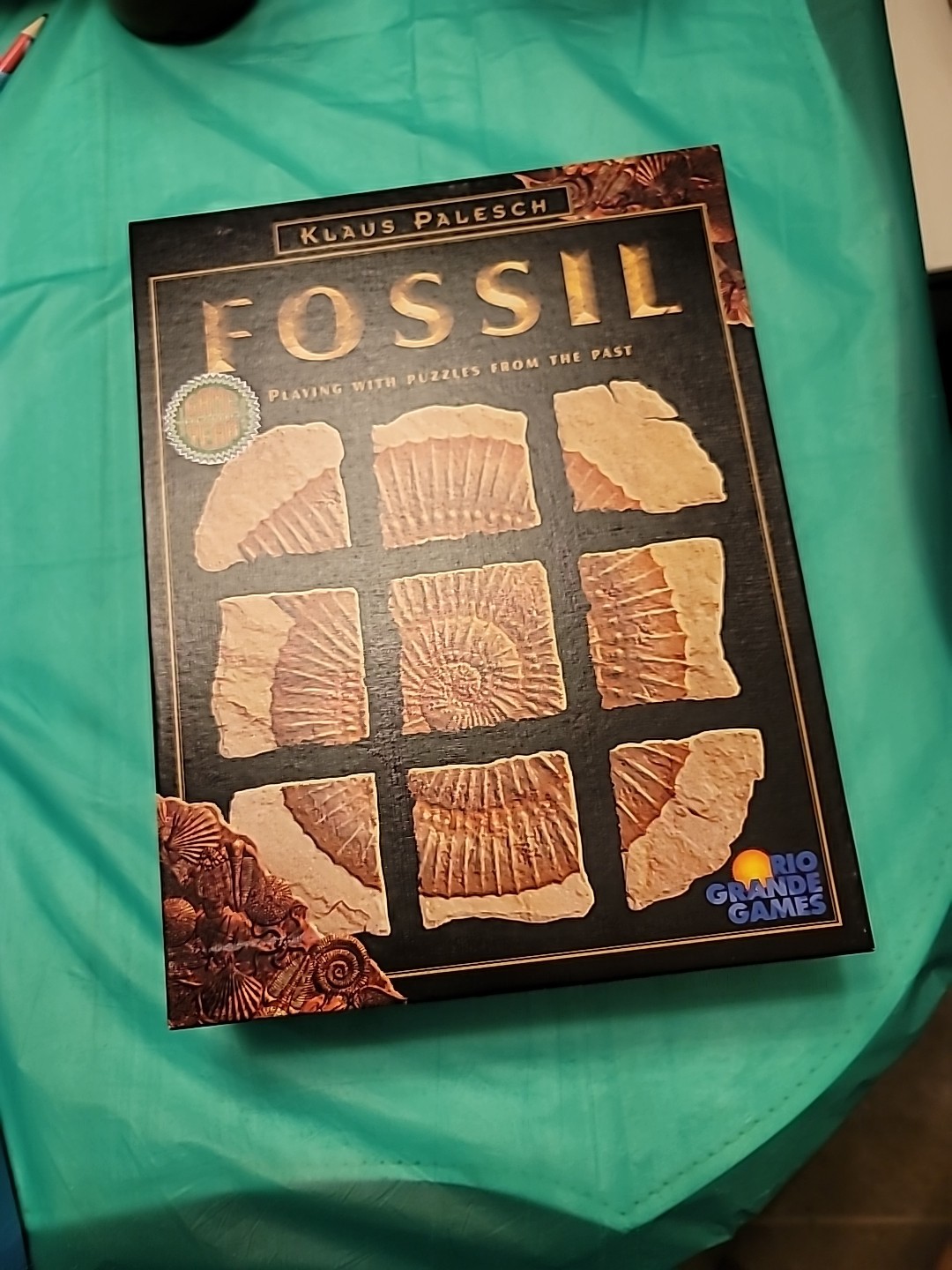
Fossil is a good match for shoppers who prefer a fossil theme and a card-based board-game structure. Players collect and organize cards to score points, creating a strategic objective that differs from a speed-oriented block puzzle. The game supports two players or more, so it can accommodate a shared session rather than a solo activity. Rio Grande Games is named on the title, and the Game Of The Year 1999 award adds a specific collectible detail for fans of older games. The tradeoff is its used condition, and Fossil does not offer the single-player format found in the Color Matching Challenge Game.
Final choice by use case
Choose the Color Matching Challenge Game for a kid-oriented solo activity, a two-person color puzzle, or a new game built around challenge-card patterns. Choose Fossil Puzzle Board Game for a fossil-themed game night, two or more players, and card collection with point scoring. If the main decision is cost, Fossil is the lower-priced listed option; if solo play is essential, the Color Matching Challenge Game is the clear fit.