When shopping for model locomotives & rolling stock, the first question is whether you need something to handle equipment or something to rebuild. Bowser's O-scale foam cradle and the HO boxcar repair lot sit in different parts of that decision: one is a work aid, while the other is incomplete rolling stock intended for repair and restoration. Compare the job, gauge, condition, and price before treating them as substitutes.
Quick verdict
These are not direct substitutes. The Bowser is a dedicated handling aid, while the HO choice is a freight-car repair lot with missing components. The $6.11 price spread matters only after the job is clear: choose the Bowser for support work, or the HO lot for rebuilding freight cars. If you want a new accessory for working with O-scale equipment, Bowser is the straightforward match. If you want material for a hands-on restoration project, the HO lot has the more relevant format.
Compact comparison
| Decision point | Bowser Foam Cradle | HO Repair-Parts Boxcar Lot |
|---|---|---|
| Listed price | $22.11 | $16.00 |
| Gauge | O | HO |
| Listed type | Foam cradle work holder | Freight Car |
Where each product wins
Bowser Foam Cradle
Bowser is the clearer fit when the project centers on holding a locomotive or rolling stock item during hands-on work. The foam cradle and work-holder wording make that purpose direct, while the 8-inch width and 16-inch length give you a defined footprint to consider on a workbench. Its new condition also separates it from a repair lot. The advantage here is a dedicated handling format, not a collection of cars or replacement parts.
HO repair-parts boxcar lot
The HO lot is the more relevant direction when the project needs rolling stock for repair and restoration. Missing wheels, trucks, and other parts are explicitly part of the purchase, so the appeal is in having incomplete freight cars to work on rather than a finished handling accessory. The two-rail system and 1:87 scale provide concrete format details for a compatible HO-focused project. This choice wins on restoration purpose, not on convenience or completeness.
Product notes
Bowser Foam Cradle Loco/Rolling Stock Work Holder - O Scale Model Railroad
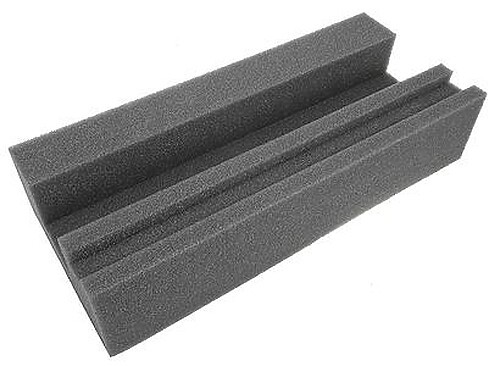
Bowser's foam cradle/work-holder format is the main reason to choose it: the product is designed around supporting locomotives or rolling stock during hands-on work. Its 8-inch width and 16-inch length give a defined footprint for planning a workbench setup, and the new condition distinguishes it from a repair-parts lot. The limitation is its O-scale designation; it is not the same gauge as the HO choice. Pick it when the equipment you need to support is O scale and the job is maintenance or handling. It is the more focused purchase for that task, but it does not supply freight cars or restoration parts.
HO GAUGE LOCOMOTIVE ROLLING STOCK MODEL RAILROAD BOXCAR FOR REPAIR PARTS 8PCS
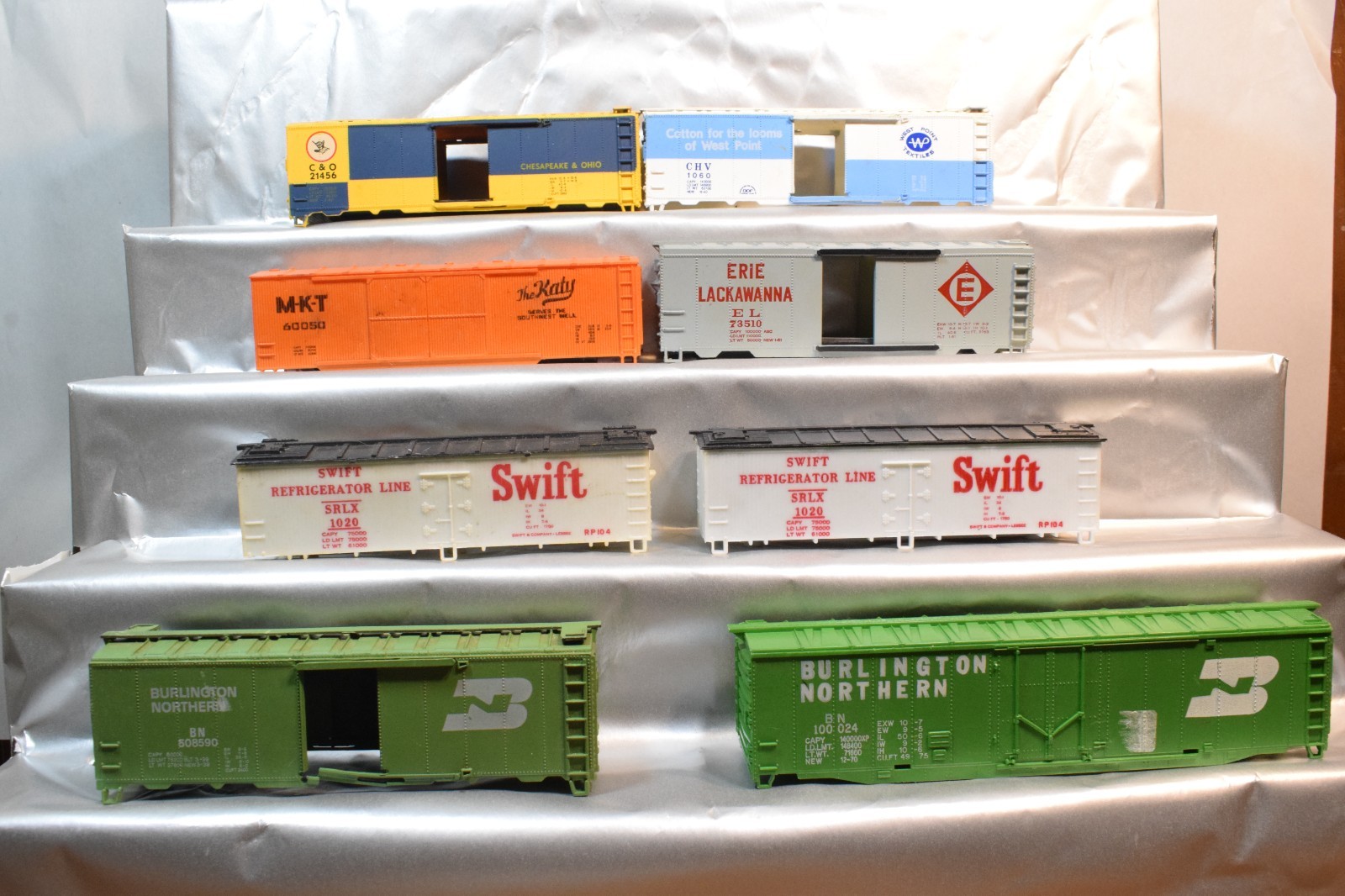
The repair-parts boxcar lot has a different concrete reason to choose it: it supplies rolling stock for a repair-and-restore project rather than a support accessory. Its used condition comes with an explicit limitation, including missing wheels, trucks, and parts, and the rolling stock is described as incomplete. That makes it a fit for someone comfortable working from unfinished freight cars. The HO gauge, two-rail system, and 1:87 scale define its format for an HO-focused project. Choose this lot when rebuilding freight cars is the goal; it should not be treated as a substitute for a locomotive work holder.
Final choice by use case
- For O-scale handling work: choose the Bowser Foam Cradle Loco/Rolling Stock Work Holder because its foam-cradle format and 8-by-16-inch footprint directly address that task.
- For HO freight-car restoration: choose the HO GAUGE LOCOMOTIVE ROLLING STOCK MODEL RAILROAD BOXCAR FOR REPAIR PARTS 8PCS if missing wheels, trucks, and parts are acceptable inputs for the project.
- For price-first shopping: the comparison shows a $6.11 spread, but the lower figure does not make the HO lot a substitute for Bowser's handling format. Match the purchase to the job, then use price as the tie-breaker.